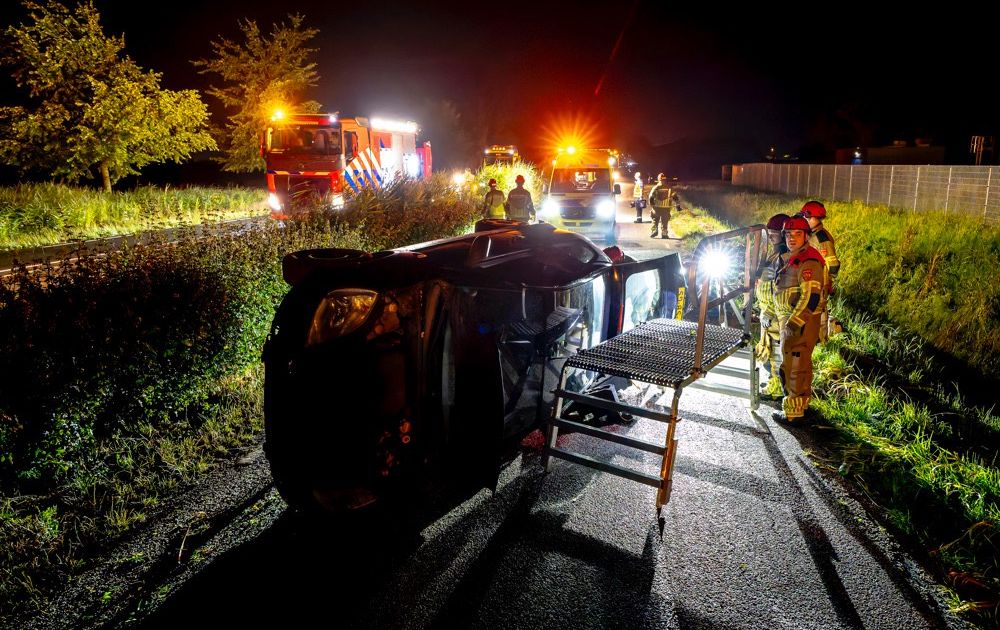
Late Night Crash N283 Hank: Driver Loses Control in Single-Vehicle Incident
In a concerning turn of events late Sunday evening, the N283 near Hank became the scene of a serious single-vehicle accident that saw a motorist lose control and overturn. The incident, which occurred around 23:11, highlights the unpredictable nature of road travel and the critical role of emergency services. This significant local event, often referred to in Dutch as an Ongeval Hank, necessitated a comprehensive response from the fire department, ambulance services, and even a trauma helicopter, underscoring the potential severity of the driver's unknown injuries.
The exact circumstances leading to the driver's loss of control remain under investigation by local police, leaving many questions unanswered about what transpired on this stretch of road in Hank. As the community awaits further details, the incident serves as a stark reminder of the importance of vigilance and road safety, especially during late-night hours. The vehicle has since been recovered, but the impact of the crash on the driver and potentially on local traffic patterns has left an impression.
The Incident Unfolds: A Call for Urgent Aid
The quiet Sunday night in Hank was shattered by the sound of an accident on the N283. Around 11:11 PM, emergency services were alerted to a vehicle that had veered off the road and subsequently come to rest on its side. This type of incident, where a single vehicle is involved without collision with another, is categorized as a single-vehicle accident. While often less complex in terms of liability, they frequently present significant challenges due to the high likelihood of serious injury to the sole occupant.
Upon arrival, first responders faced a scene requiring immediate and coordinated action. The fire department was on standby, prepared for potential extrication, while paramedics attended to the injured driver. The decision to deploy a trauma helicopter, often an indicator of severe or life-threatening injuries, signaled the gravity of the situation. This rapid and extensive deployment of resources illustrates the priority placed on human life in such emergencies. The driver, whose condition was not immediately disclosed, was transported by ambulance to a nearby hospital for urgent medical attention. For more details on the emergency response, including the role of the helicopter, you can read our dedicated article: Hank N283 Accident: Trauma Helicopter Responds to Scene.
The aftermath of the N283 Hank crash saw the vehicle being carefully removed by a professional recovery company, clearing the roadway for regular traffic. However, the questions surrounding the incident lingered, prompting a thorough investigation by the police to determine the precise cause of the driver losing control.
Unraveling the Mystery: Potential Causes of Driver Losing Control
One of the most perplexing aspects of any single-vehicle accident, including this recent Ongeval Hank, is pinpointing why a driver suddenly loses control. When no other vehicles are involved, the focus often shifts inward, examining factors related to the driver, the vehicle, or the immediate environment. The police investigation into the N283 Hank crash is crucial for understanding these underlying causes.
Several factors could contribute to a driver losing control, especially late at night:
- Driver Fatigue: Long hours behind the wheel, insufficient sleep, or driving during natural sleep cycles can severely impair judgment and reaction time, sometimes mirroring the effects of driving under the influence.
- Distracted Driving: Engaging with mobile phones, navigation systems, or even passengers can divert attention from the road for critical seconds, leading to a loss of situational awareness.
- Impairment: Driving under the influence of alcohol or drugs significantly reduces a driver's ability to operate a vehicle safely, affecting coordination, perception, and decision-making.
- Speeding or Reckless Driving: Exceeding speed limits or driving too fast for conditions reduces the time available to react to hazards and makes it harder to maintain control, particularly on curves or uneven surfaces.
- Vehicle Malfunction: While less common, sudden mechanical failures such as a tire blowout, steering problem, or brake failure can cause a driver to lose control unexpectedly.
- Road Conditions: Adverse weather (rain, ice, fog), poor road maintenance (potholes, debris), or unexpected obstacles (animals, fallen objects) can all pose significant risks.
- Sudden Medical Emergency: An unforeseen health event, such as a heart attack or seizure, can cause a driver to become incapacitated and lose control of their vehicle.
The police will meticulously examine the scene, interview witnesses (if any), analyze vehicle data recorders (if available), and review any surveillance footage to piece together the events. This investigative process is vital not only for accountability but also for identifying potential systemic issues that could prevent future accidents. For more on the police efforts, see our article: Police Investigate Mysterious Single-Vehicle Hank Crash.
Navigating N283 Safely: Tips for Drivers in Hank and Beyond
The late-night crash on N283 near Hank serves as a powerful reminder for all motorists about the fundamental principles of road safety. While the specific cause of this incident is yet to be determined, adopting proactive driving habits can significantly reduce the risk of similar accidents. Whether you're a local resident navigating Hank's roads or a traveler passing through, these tips are universally applicable.
Essential Road Safety Advice:
- Prioritize Rest: Ensure you are well-rested before getting behind the wheel. If you feel drowsy, pull over to a safe location and take a break, or consider delaying your journey. Driver fatigue is a silent but deadly contributor to countless accidents.
- Eliminate Distractions: Put your phone away, refrain from eating, and avoid engaging in any activity that takes your eyes or mind off the road. Your full attention is required at all times.
- Adhere to Speed Limits: Always drive within the posted speed limits and adjust your speed according to road, weather, and traffic conditions. Speeding reduces your reaction time and increases the severity of any impact.
- Never Drive Impaired: Alcohol and drugs severely compromise your ability to drive safely. If you plan to drink or consume impairing substances, arrange for a designated driver, use public transport, or call a taxi/ride-share service.
- Regular Vehicle Maintenance: Ensure your vehicle is in good working order. Regular checks of tires, brakes, lights, and fluid levels can prevent mechanical failures that might lead to a loss of control.
- Maintain Safe Following Distances: Leave ample space between your vehicle and the one in front of you. This provides crucial time and distance to react to sudden stops or hazards.
- Be Aware of Road Conditions: Pay attention to weather forecasts and road reports. Adjust your driving style for rain, ice, fog, or strong winds. Be vigilant for unexpected obstacles like debris or animals, especially at night.
- Use Headlights Correctly: Ensure your headlights are clean and properly aimed. Use high beams only when appropriate and safe, dimming them for oncoming traffic or when following another vehicle.
- Plan Your Route: Familiarize yourself with your route, especially unfamiliar roads like parts of the N283. Knowing what to expect can reduce stress and improve focus.
These preventative measures are not just recommendations; they are vital practices that can save lives and prevent the kinds of tragic incidents witnessed in the recent Ongeval Hank.
Conclusion: A Call for Caution and Community Vigilance
The single-vehicle accident on the N283 near Hank, which saw a driver lose control and overturn late on a Sunday night, serves as a poignant reminder of the inherent risks associated with road travel. While the specific cause of this Ongeval Hank remains under police investigation, the incident underscores the critical importance of responsible driving practices, driver alertness, and well-maintained vehicles. The swift response from emergency services, including the deployment of a trauma helicopter, highlights the severity of the situation and the commitment to preserving life in the face of such emergencies.
As the community awaits further information regarding the driver's condition and the outcome of the police inquiry, this incident should prompt all motorists to reflect on their driving habits. By prioritizing rest, eliminating distractions, adhering to speed limits, and ensuring vehicle readiness, we can collectively contribute to safer roads for everyone. The safety of our roads, including the N283 through Hank, depends on the vigilance and responsibility of each driver.